Every Child Learns Differently: How Music Lessons Can Support Kids with Learning Disabilities
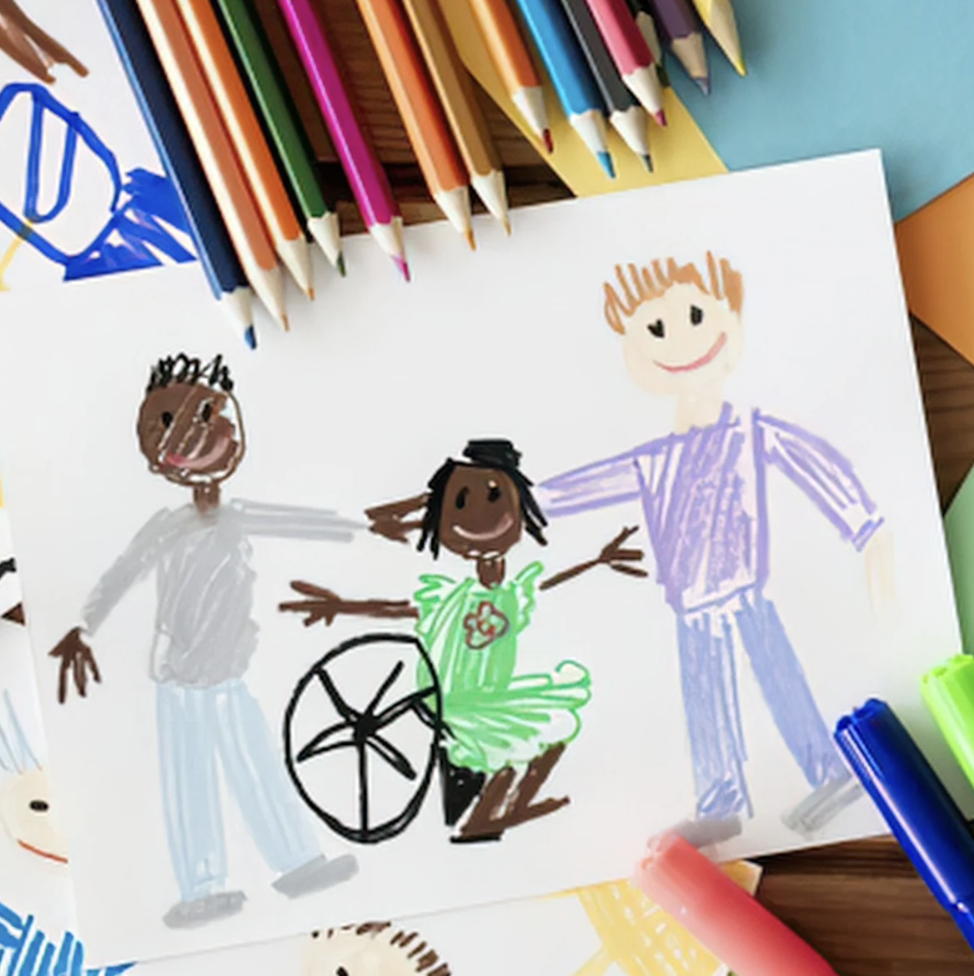
There is no single “right” way to learn.
Some kids need to see something before they understand it. Some need to hear it. Others need to move, repeat, experiment or try something themselves before it finally clicks.
For children with learning disabilities, these differences can be especially noticeable in traditional learning environments.
Music offers something different.
Learning an instrument can involve listening, movement, patterns, repetition, creativity and hands-on practice — often all within the same lesson.
For families exploring music lessons for children with learning disabilities, the goal shouldn't be to “fix” or change how a child learns. Instead, the right music environment can give them another way to explore their strengths, develop new skills and experience the excitement of making progress.
At JamLab, we believe music education should adapt to the student — not expect every student to adapt to the same lesson.
Learning Differently Doesn't Mean Learning Less
Learning disabilities can affect skills such as reading, writing, spelling, mathematics, memory or information processing.
That can sometimes make traditional classroom environments challenging.
Music lessons provide a different kind of learning experience.
A student might hear their Musical Mentor play a rhythm, watch their hands, copy the movement and then try it independently.
Another student might learn a song in small sections.
Another might understand a musical concept much more easily once they can physically play it.
Instead of relying on one method of instruction, music can naturally involve several different ways of processing information.
And that's one of the reasons personalized instruction matters so much.
1. Music Can Be a Multisensory Learning Experience
Think about everything happening when a child plays the piano.
They're looking at the keys.
Listening to notes.
Moving their fingers.
Recognizing patterns.
Remembering what comes next.
And responding to what they hear.
Music naturally combines visual, auditory and physical experiences.
For children who benefit from multisensory learning, that can make lessons particularly engaging.
A Musical Mentor can also adjust how something is taught. If written music isn't clicking, they might demonstrate it. If verbal instructions aren't enough, they can play it together.
There can be more than one path to the same musical goal.
2. Students Can Learn at Their Own Pace
One of the biggest benefits of private music lessons is the ability to slow down, speed up or change direction.
There isn't another student waiting for the class to move forward.
If something needs to be repeated five times, that's okay.
If a student understands something immediately, they can move ahead.
If they need a break from one activity, the Musical Mentor can introduce something different.
This flexibility can be valuable for students who learn differently because the lesson doesn't have to follow a rigid, one-size-fits-all structure.
3. Music Provides Opportunities to Celebrate Progress
For some children with learning disabilities, school can involve a lot of attention on the things they find difficult.
Music can provide another space to focus on what they're accomplishing.
The first time they play a melody independently.
The first chord they remember without help.
The first song they finish.
The first time they perform for their family.
These moments might seem small, but they're meaningful.
Music allows students to experience progress in real time.
They can actually hear themselves getting better.
Instead of comparing themselves with the person sitting beside them, students can focus on their own progress:
What can I do today that I couldn't do before?
That's something worth celebrating.
4. Music Can Encourage Creativity and Self-Expression
Not every part of learning needs to have one correct answer.
That's one of the things we love most about music.
Students can interpret songs differently, experiment with sounds, create rhythms, improvise or eventually write music of their own.
For a child who spends much of their school day completing structured academic tasks, having a creative outlet can feel completely different.
Music gives them permission to explore.
Make mistakes.
Try again.
Make something their own.
And sometimes just make a lot of noise.
All of that is part of learning.
5. The Right Teacher Can Make a Big Difference
When choosing music lessons for a child with a learning disability, the relationship with the teacher is incredibly important.
A good teacher doesn't simply know their instrument.
They know their student.
They recognize when something isn't working and try another approach. They're patient when repetition is needed. They understand that progress doesn't look exactly the same for everyone.
That's one reason we call our teachers Musical Mentors at JamLab.
Our goal is to create a relationship where students feel comfortable learning, experimenting and asking for help.
Parents can also share information about strategies that work well for their child so the Musical Mentor can better personalize the experience.
6. In-Home Music Lessons Can Make Learning More Comfortable
The environment where a child learns matters too.
For some students, transitioning to another classroom or unfamiliar studio after spending an entire day at school can be challenging.
JamLab offers in-home music lessons across Toronto and the GTA, allowing students to learn somewhere they already know: home.
There's no unfamiliar music studio to navigate.
No additional commute after school.
No rushing from one activity to another.
Students can also learn using the instrument and setup they'll practise with throughout the week.
For some families, that familiar environment can help make music lessons feel more comfortable and easier to incorporate into their routine.
Choosing an Instrument Your Child Is Excited About
There's another important part of the equation:
Let them have a say.
A child is much more likely to engage with music when they're interested in what they're learning.
Maybe they can't stop tapping rhythms and would love drums.
Maybe they're constantly singing.
Maybe they want to play their favourite songs on guitar.
Or maybe they sit down at every piano they see.
Instead of asking which instrument your child should learn, consider asking:
“Which instrument would you be excited to learn?”
That excitement can be a powerful starting point.
Music Lessons Aren't Therapy — And They Don't Need to Be
It's important to make this distinction.
Music lessons are not a treatment for learning disabilities, and a music teacher shouldn't replace specialized educational, therapeutic or clinical support when a child needs it.
But music doesn't have to be therapy to be valuable.
Kids can learn music simply because music is worth learning.
They can discover something they're good at.
Express themselves creatively.
Work toward personal goals.
Develop a skill.
And experience the satisfaction of playing something they love.
Those are meaningful benefits on their own.
Find Music Lessons That Meet Your Child Where They Are
Every student who walks into a music lesson brings something different.
Different interests.
Different strengths.
Different challenges.
Different personalities.
Different ways of learning.
At JamLab, we believe those differences should be part of the learning experience.
Our Musical Mentors provide personalized in-home music lessons for kids across Toronto and the GTA, adapting lessons around each student's interests, goals and learning style.
Because the goal isn't for every child to learn music the same way.
It's helping every child discover their own way to make music. 🎶
Visit jamlabmusic.com to learn more about personalized in-home music lessons and finding the right Musical Mentor for your child.