

How Much Should Kids Practise Music? A Parent’s Guide
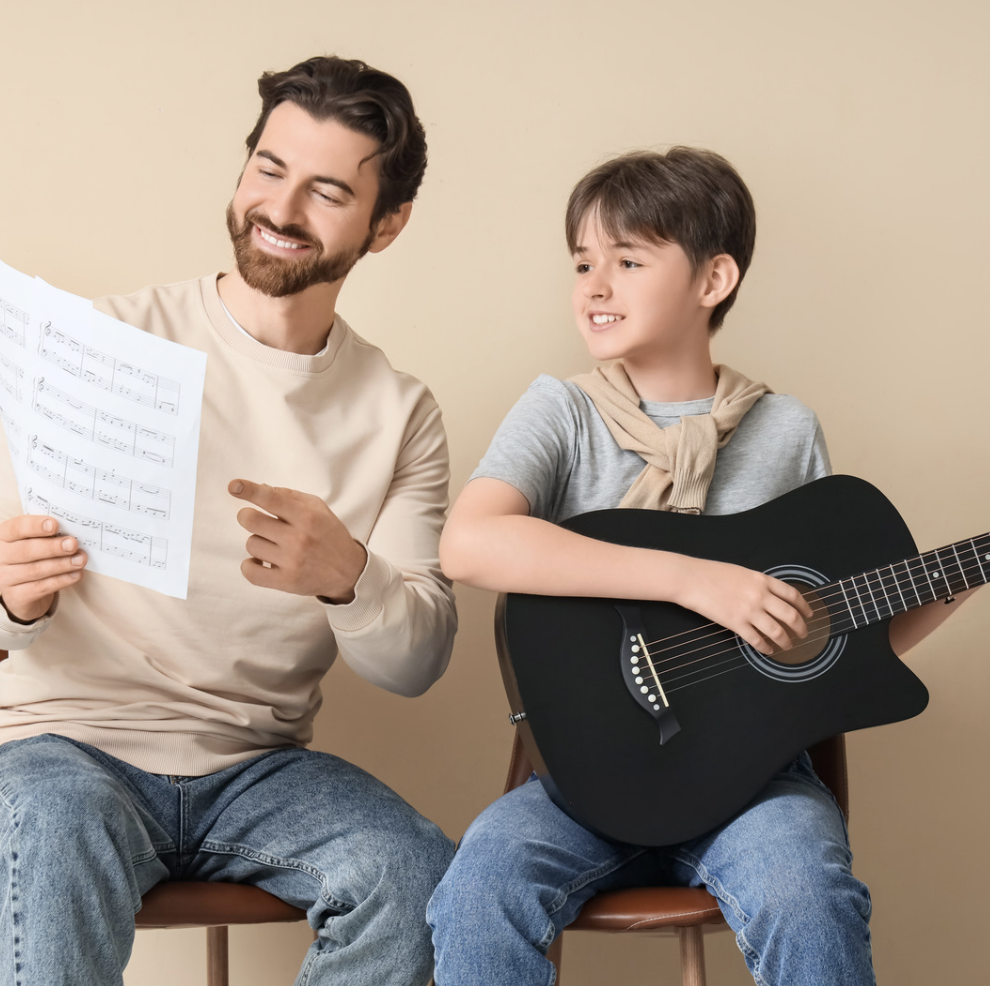
“How much should my child be practising?”
It’s one of the most common questions parents have when their child starts music lessons.
Should they practise every day? Is 10 minutes enough? Should they be sitting at the piano for 30 minutes? And what happens when they really, really don’t feel like practising?
The good news: music practice for kids doesn’t need to mean hours at an instrument every week.
At JamLab, we believe consistency is more important than perfection. The goal is to help kids build a relationship with music that they actually enjoy — while developing the skills and confidence to keep progressing.
So, how much should kids practise music? Let’s break it down.
How Much Should Kids Practise Music Each Day?
There’s no magic number that works for every child.
The right amount of music practice depends on their age, experience level, instrument, attention span and individual goals.
As a general starting point:
Young beginners: 5–10 minutes at a time
Elementary-aged students: 10–20 minutes
Older or more experienced students: 20–30+ minutes
But these aren't rules.
A focused 10-minute practice can be much more valuable than 30 minutes spent staring at the piano wondering when it will be over.
Rather than focusing entirely on the clock, think about consistency and quality.
1. Consistency Matters More Than Long Practice Sessions
When it comes to learning music, practising regularly can be much more manageable than trying to squeeze everything into one marathon session before the next lesson.
Think about it this way:
Playing for 10 minutes several times throughout the week keeps the instrument, songs and skills familiar.
Waiting until the night before a lesson and trying to practise everything at once? Not quite the same.
Try incorporating music into your child’s existing routine.
They might practise:
After finishing homework
Before dinner
While waiting for a sibling to get ready
Before screen time
Right after school
On weekend mornings
The easier practice is to fit into everyday life, the less it feels like another chore.
2. Keep Music Practice Age-Appropriate
A five-year-old and a fifteen-year-old shouldn't necessarily have the same practice expectations.
For younger children, short bursts of focused practice may work much better.
Five minutes of engaged piano practice?
Great.
Want to come back and play another five minutes later?
Even better.
As students get older and their musical goals become more advanced, practice sessions can gradually become longer.
The goal is to build the habit over time rather than expecting a beginner to immediately sit down for long, structured sessions.
3. Give Kids a Clear Goal
“Go practise piano” is pretty broad.
Instead, give kids something specific to work toward.
For example:
“Can you play that section three times?”
“Can you practise the chord your Musical Mentor showed you?”
“Can you play the first half of the song?”
Small goals make practice feel achievable.
They also give students a sense of accomplishment when they're finished rather than making practice feel endless.
Your child’s Musical Mentor can help identify what to focus on between lessons so they know exactly where to start.
4. Let Them Play Music They Actually Like
Technique and musical foundations are important.
But so is enjoying the instrument.
If every practice session consists entirely of music a child has no interest in playing, getting them to practise can become an uphill battle.
Ask them what they want to learn.
What songs are they listening to?
Which artists do they love?
Is there a song they'd be excited to play for their friends or family?
At JamLab, our Musical Mentors personalize lessons around each student's interests and goals while helping them develop important musical skills.
Sometimes the best motivation to practise is simply:
“I really want to learn this song.”
5. Don't Make Every Mistake a Big Deal
Practice is where mistakes are supposed to happen.
Wrong notes.
Missed chords.
Forgotten lyrics.
Rhythms that take ten tries before they finally sound right.
That's all part of learning an instrument.
If kids feel like every mistake is being watched or corrected, practice can quickly become stressful.
Instead of focusing exclusively on what went wrong, recognize progress.
“That sounded smoother than yesterday.”
“You remembered that whole section!”
“That chord used to be really tricky for you.”
Progress is motivating — especially when kids can recognize it themselves.
6. Make Practising at Home Easy
One advantage of in-home music lessons is that students learn in the same environment where they'll practise.
They're using their piano.
Their guitar.
Their drum kit.
Their home setup.
Once their JamLab lesson ends, everything they need to practise is already there.
Try keeping instruments accessible whenever possible.
A guitar sitting nearby is a lot easier to spontaneously pick up than one packed away in a case at the back of a closet.
Music doesn't always have to happen during an official “practice session.”
Sometimes a child picking up their instrument for five minutes because they feel like playing is exactly what you want.
What If My Child Doesn't Want to Practise?
It happens.
Even kids who love music won't necessarily be excited to practise every single day.
Before turning it into a battle, try figuring out why.
Is the piece too difficult?
Are they bored with the song?
Are they tired after school?
Do they not remember what they're supposed to practise?
Would a different time of day work better?
Or do they simply need a night off?
If reluctance becomes consistent, talk to your child’s Musical Mentor.
Sometimes changing the song, breaking a difficult section into smaller pieces or adjusting expectations is enough to bring some excitement back.
Should Parents Sit with Their Child While They Practise?
It depends on the child.
Young beginners may benefit from a parent helping them remember what they're supposed to work on.
Older students may prefer more independence.
Parents don't necessarily need musical knowledge to be supportive.
You can listen.
Ask them to show you what they learned.
Celebrate when they master something.
And encourage them when something is taking longer than expected.
You don't need to become their second music teacher.
That's what their Musical Mentor is for!
Practice Should Build a Love of Music — Not Take It Away
Ultimately, the goal of music lessons isn't to create the world's most perfect practice schedule.
It's to help students become musicians.
Some weeks they'll practise more.
Some weeks school will be busy and they'll practise less.
Some days they'll carefully work through a challenging section.
Other days they'll play the same favourite song five times because it's fun.
All of that can be part of learning.
At JamLab, our Musical Mentors help students find a balance between developing strong musical skills and keeping music enjoyable.
Because the best practice routine isn't necessarily the longest one.
It's the one your child can actually stick with.
Make Music Easier to Fit Into Your Family's Routine
Busy school nights already involve homework, dinner, extracurriculars and everything in between.
JamLab makes music one less place you need to drive.
Our personalized in-home music lessons across Toronto and the GTA bring Musical Mentors directly to your home, allowing students to learn and practise in the same comfortable environment.
Whether your child is learning piano, guitar, drums, voice or exploring another musical interest, we'll help them develop a routine that works for their goals — and your family's schedule.
Ready to make music part of your week?
Visit jamlabmusic.com to learn more about JamLab's personalized in-home music lessons and find the right Musical Mentor for your child.