Piano vs. Guitar: Which Instrument Should Your Child Learn First?
Piano or guitar?
It’s one of the first questions parents ask when their child shows an interest in learning music — and one of the hardest to answer with a simple “this one.”
Both instruments are fantastic for beginners. Both can help students develop musical skills, confidence and creativity. And both can lead to a lifelong love of music.
So, which should your child learn first?
At JamLab, we believe the answer has less to do with choosing the “easiest” instrument and much more to do with finding the instrument that makes your child excited to play.
Let’s break down piano vs. guitar for beginners and help you find the right fit.
First Things First: There Is No Wrong Choice
Parents often want to know the best instrument for their child to start with.
The truth?
There isn't one instrument that's automatically right for every beginner.
Some kids sit down at a piano and immediately want to explore every key. Others see a guitar and instantly imagine themselves playing their favourite songs.
That excitement matters.
When students genuinely like their instrument, they're more likely to practise, stay engaged during lessons and keep going when something becomes challenging.
So instead of asking:
“Which instrument is better?”
Try asking:
“Which instrument is my child more excited to learn?”
That answer can tell you a lot.
Is Piano or Guitar Easier for Beginners?
Both piano and guitar have beginner-friendly qualities, but the first few lessons can feel very different.
Why Piano Can Be Great for Beginners
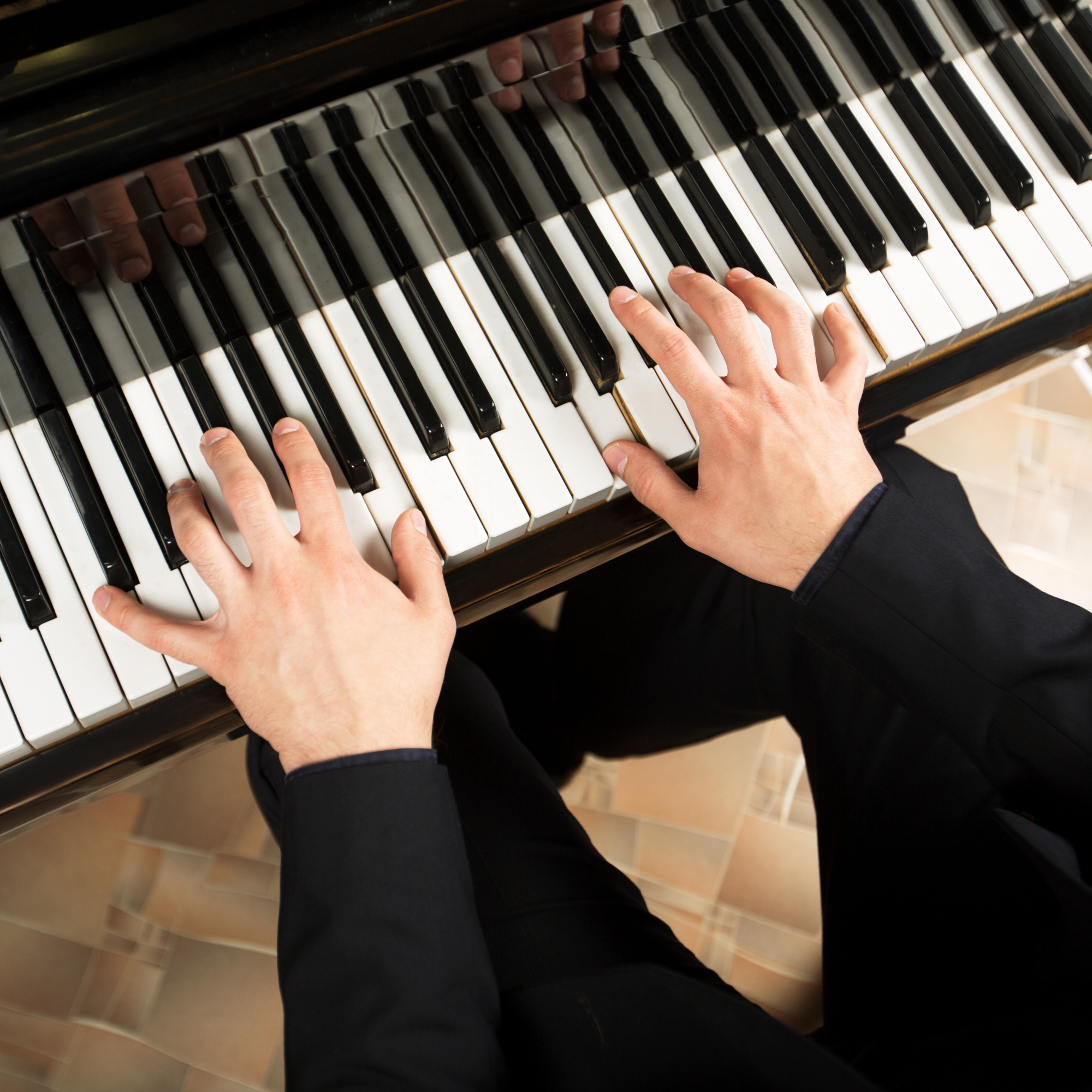
One of the biggest advantages of piano is that it's extremely visual.
The notes are arranged from low to high across the keyboard, and pressing a key immediately produces a clear note.
That can make it easier for beginners to start connecting what they see, hear and play.
Piano can be particularly great for students who:
Enjoy structure
Are visual learners
Like patterns
Want to understand how music works
Enjoy pop, classical, musical theatre or film music
Students can also begin experimenting with simple melodies relatively quickly, which can provide an early confidence boost.
As students progress, piano becomes increasingly challenging. They'll eventually learn to use both hands independently while combining melody, rhythm and harmony.
But that's part of the fun.
Why Guitar Can Be Great for Beginners
Guitar sometimes requires a little more patience at the beginning.
Students need to learn how to properly press the strings, develop finger strength and move between chord shapes.
And yes — those fingertips might be a little sore at first!
But once students get comfortable with a few basic chords, something exciting happens:
They can start playing a lot of recognizable songs.
That makes guitar especially rewarding for students who are motivated by playing the music they already listen to.
Guitar can be a great choice for students who:
Love rock, pop, indie or acoustic music
Want to play their favourite songs
Like learning by ear
Want an instrument they can easily bring places
Prefer a more relaxed approach to learning
For some kids, being able to strum along with a song they know is exactly what keeps them motivated.
What Kind of Music Does Your Child Love?
This may be the most important question in the entire piano vs. guitar debate.
Think about what your child actually listens to.
Who are their favourite artists?
What songs do they constantly ask you to play?
Do they pretend to play guitar when their favourite song comes on?
Do they gravitate toward a keyboard whenever they see one?
These little clues can help you understand which instrument they'll naturally connect with.
At JamLab, we believe students should have opportunities to learn music they genuinely enjoy.
Strong musical fundamentals matter, but learning shouldn't feel disconnected from the music that made a student interested in playing in the first place.
When a student realizes, “Wait…I can actually learn THAT song?” music lessons become a whole lot more exciting.
Consider Your Child's Learning Style
Every student learns differently.
Some children love structure. Others need more freedom to experiment.
Some want to understand exactly how something works before moving forward. Others would rather jump in and figure it out as they go.
Piano can be particularly appealing to visual and structured learners because the keyboard provides such a clear representation of notes and musical patterns.
Guitar can appeal to students who enjoy learning through shapes, repetition, listening and experimentation.
But these aren't rules.
A great music teacher adapts their teaching style to the student — not the other way around.
That's why finding the right teacher can be just as important as finding the right instrument.
Think About Practising at Home
Here’s a practical question parents should consider:
Which instrument will your child actually pick up between lessons?
A guitar can sit on a stand in their bedroom or living room, ready whenever inspiration strikes.
A keyboard or piano stays in one place, which can create a natural dedicated practice area at home.
Neither is necessarily better.
What matters is making the instrument easy and inviting to use.
Practising doesn't always need to mean sitting down for a long, structured session either.
Five or ten minutes spent playing a favourite song, trying a new chord or experimenting with a melody is still time spent making music.
The goal is to make playing an instrument feel like something your child wants to do rather than something else they have to do.
What About the Cost?
You don't need to invest in professional-level equipment when your child is just getting started.
Beginner guitars and digital keyboards can both provide everything a new student needs to start learning.
Before purchasing an instrument, it can also be helpful to speak with your child's music teacher.
They can recommend an appropriate option based on your child's age, size and learning goals so you don't end up spending money on features they don't need.
Can Your Child Eventually Learn Both?
Absolutely!
Choosing piano doesn't mean saying goodbye to guitar forever — and vice versa.
Many musicians play multiple instruments.
In fact, skills developed while learning one instrument can help when learning another.
Students build their understanding of:
Rhythm
Melody
Chords
Listening
Timing
Musical patterns
Those skills don't disappear when they pick up a different instrument.
Your child might start with piano and discover guitar a few years later. Or they might become obsessed with guitar before deciding they want to understand the keyboard too.
Learning music isn't about choosing one path forever.
It's about discovering where your interests take you.
The Teacher Matters More Than You Think
The instrument matters.
But the person teaching it can make an even bigger difference.
Think back to your own favourite teachers growing up.
Chances are, they didn't just know their subject. They knew how to connect with you.
Music lessons are no different.
A great teacher understands when to challenge a student, when to slow things down and when it's time to put the exercise book aside and play something purely because it's fun.
At JamLab, that's why we call our teachers Musical Mentors.
They're there to teach students how to play, but they're also there to encourage curiosity, build confidence and help students discover their own relationship with music.
Because when a student feels understood by their teacher, learning becomes a completely different experience.
Common Mistakes When Choosing a First Instrument
One of the biggest mistakes parents can make is choosing an instrument entirely based on what seems most practical or educational.
Maybe you've heard every child should start with piano.
Maybe there's already a guitar sitting in your basement.
Maybe one option seems easier.
Those are all factors worth considering — but don't forget to include your child in the decision.
Another mistake is expecting progress too quickly.
Learning an instrument takes time.
There will be songs that feel easy and skills that take weeks to click. There will probably be moments of frustration too.
That's normal.
Progress in music isn't about getting everything right immediately. It's about continuing to show up, experiment and improve.
So… Piano or Guitar?
Still undecided?
Here's the simplest way to think about it.
Piano might be a great first instrument if your child:
Loves keyboards or piano-based music
Enjoys visual patterns and structure
Is curious about how music works
Wants to play melodies and chords
Naturally gravitates toward the piano
Guitar might be a great first instrument if your child:
Loves guitar-driven music
Wants to strum along to favourite songs
Likes the idea of taking their instrument anywhere
Enjoys learning through chords and patterns
Can't stop pretending they're holding a guitar every time a song comes on
But if your child immediately says, “I WANT TO PLAY GUITAR!”
You probably don't need this list.
Listen to them.
What Is the Best Age to Start Piano or Guitar Lessons?
There isn't one perfect age to start learning music.
A child's readiness often depends more on their interest, attention span and ability to engage with their teacher than a specific birthday.
Younger students may benefit from shorter, playful lessons that introduce rhythm, melody and basic technique.
Older children and teens may arrive with stronger musical preferences and specific songs or artists they want to learn.
Both are great starting points.
The most important thing is meeting students where they are.
Piano vs. Guitar FAQs
Is piano or guitar easier for kids?
Piano can feel more straightforward at first because pressing a key immediately creates a clear note. Guitar may take more time initially as students develop finger strength and learn chord shapes. However, the instrument a child is most interested in may ultimately feel easier because they're more motivated to practise.
Should kids learn piano before guitar?
Not necessarily. Piano can provide a great visual introduction to music theory, but children don't need to learn piano before starting guitar. If your child is much more excited about guitar, starting there can be the better choice.
Can beginners learn songs right away?
Yes! Beginners can start working toward simple melodies, riffs and songs early in their musical journey. The exact timeline depends on the student, instrument and song.
Does my child need their own instrument?
Having access to an instrument between lessons is important because it allows students to practise and explore what they're learning. Your Musical Mentor can help recommend an appropriate beginner instrument if you're unsure what to purchase.
Can my child switch instruments later?
Of course. Musical interests change! Learning one instrument builds skills that can make exploring another instrument easier down the road.
Discover a Different Way to Learn Music with JamLab
Whether your child chooses piano, guitar or eventually both, the most important thing is creating an experience that makes them want to keep learning.
JamLab offers personalized, in-home music lessons across the GTA, bringing our Musical Mentors directly to you.
No rushing through traffic.
No sitting in a waiting room.
No one-size-fits-all approach.
Just personalized music education designed around your child's interests, goals and personality — right from the comfort of home.
Because we don't simply want students to take music lessons.
We want them to love making music.
Ready to find the right instrument and Musical Mentor for your child?
Visit jamlabmusic.com to explore JamLab's in-home piano, guitar and music lessons across the GTA.